Hazardous Goods Import Process Sharing
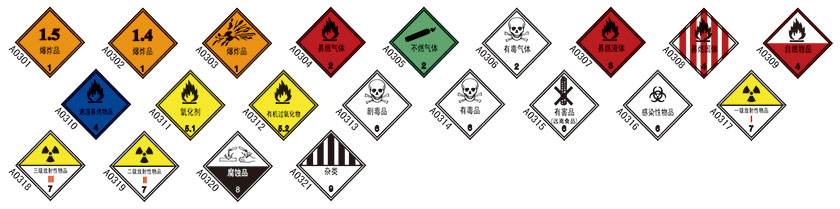
Due to several major incidents this year, the country has become stricter with hazardous goods imports. Cstar provides a brief overview:
I. Regulatory Conditions for Importing Hazardous Chemical Products
Due to their nature, chemical powders and liquids face significant challenges in customs declaration and inspection. They require filing, ingredient review, trademark review, toxicity testing, hazard classification, MSDS, SGS, UN code, etc. Special simplified processes have been developed for fine chemicals like paints, inks, additives, and cosmetic raw materials.
II. Documents Required for Customs Declaration of Hazardous Chemical Products
1. Packing list
2. Chinese ingredient list
3. Certificate of origin
4. Fumigation certificate
5. Trade contract
III. Filing and Clearance Process for Hazardous Goods Import
1. Pre-file the hazardous goods import declaration
2. Issue a contact letter
3. Declare for inspection and customs clearance of hazardous goods
4. Inspection and quarantine bureau samples on-site and issues a hazardous identification report
IV. Documents Required for Filing Hazardous Goods Import
1. Safety data (MSDS report; UN code)
2. Labeling (toxic, flammable signs)
3. Company business license
4. After successful filing, a contact letter can be issued based on the specific situation of the goods. The contact letter is valid for one month. Labeling should be applied according to the safety data sheet before loading abroad.
V. Documents Required for Customs Declaration and Inspection of Hazardous Goods
1. Packing list, contract, invoice
2. Compliance statement for operating enterprises of imported hazardous chemicals
3. Product images and description
4. MSDS ingredient report
5. Contact letter
6. Basic documents for customs declaration and inspection (company information, declaration elements, etc.)
VI. Sampling and Identification Report for Hazardous Goods Import
After tax payment and release, contact CCIC for on-site sampling and testing. The testing report is issued in about 30 days. The hazardous characteristics identification report is valid for one year.
The United Nations hazardous goods number (UN number) is a set of four-digit numbers used to identify hazardous substances and goods with commercial value (such as explosives or toxic substances).
This numbering system is widely used in international trade to label the contents of freight containers.
Numbers from UN0001 to approximately UN3500 are established by the United Nations Committee of Experts on the Transport of Dangerous Goods. These numbers are published in the Recommendations on the Transport of Dangerous Goods.
Various organizations coordinating different modes of transportation already use this system.
VII. Cstar's Recommendations for Chemical Import Customs Declaration
1. Composition Issues in Chemical Import Declaration
Generally, the import declaration of chemical products needs to specify that the Inspection and Quarantine Bureau and customs will strictly follow the shipper's instructions for inspection and supervision.
2. Determining Customs Codes for New Synthetic Materials' Hazardous Goods Import Declaration
With the increase in new product imports, such as synthetic PP and lime materials or PP and ABS materials, it is not convenient to categorize these products due to their appearance and compositional structure.
3. Small Batch Paint and Coating Import Declaration
If a foreign factory requires one or several small batch imports within a year for non-consumable materials, these needs often arise from urgent international orders. The pre-import registration and inspection system for coatings and paints would require more than 20 days of preliminary work, which is quite troublesome.
4. Hazardous Goods Import Declaration Deposit
In many chemical product import operations, a deposit is often required at the port before release. Small and medium-sized enterprises often feel the strain on their working capital.
5. Hazardous Chemical Import Declaration (Sea and Land Transport)
This is a very real and objective problem. It seems only large enterprises have the capacity to handle trade and logistics. Small and medium-sized enterprises face many difficulties even after completing the trade, in both transport and declaration processes.
At the same time, small and medium-sized logistics service companies lack the capacity to provide these services, inevitably hindering related trade activities.
VIII. Considerations for Hazardous Goods Export and Import Declaration
1. Before declaring hazardous goods for export, provide the freight forwarder with the hazardous goods specification sheet (including the Chinese and English names, hazard classification, regulation page number, and UN number). The freight forwarder will inquire with customs if the port accepts the hazardous goods import declaration.
2. If the port accepts the hazardous goods import declaration, arrangements for booking can be made.
3. Before booking, the company must fill out an entry-exit inspection and quarantine registration application form and a packaging inspection application form.
If the company is already registered with the entry-exit inspection and quarantine bureau at the port, there is no need to fill out the registration application form, but the packaging inspection application form must be stamped with the company's seal. Both documents should be submitted to the factory, which will apply to the local Inspection and Quarantine Bureau for packaging inspection of the hazardous goods for sea export.
4. When booking, in addition to the normal documents, the following documents must also be provided: a Chinese and English hazardous goods specification sheet (copy), the inspection result form for the use of packaging containers for sea export of hazardous goods, and the performance inspection result form for the packaging containers of hazardous goods for sea export (for cardboard box packaging) (note: sometimes a packing certificate is required).
5. If different classes of hazardous goods are being booked, the booking for each class of hazardous goods must be handled separately according to their different hazardous characteristics to comply with the segregation requirements of the International Maritime Dangerous Goods (IMDG) Code during transportation for safety.
For example, if a letter of credit and contract include the simultaneous shipment of oxidizers, flammable liquids, and corrosives, three separate shipping orders must be prepared for the three different types of hazardous goods during consignment. The three types of incompatible hazardous goods must not be shipped on a single shipping order.
Otherwise, the shipping company will load the three incompatible hazardous goods together, which can easily lead to chemical reactions, causing fires, explosions, and accidents.


Call 400 and receive 24-hour service support from professional consultants

Please paste on your WeChat, add friends, and learn more about products in detail